<

Learn the Prophetic Anthem of Deliverance!

There’s a reason this verse resounds like a national anthem of the redeemed. It’s not just a personal declaration—it’s a generational cry that echoes back to Moses at the Red Sea (Exodus 15:2) and forward to the final deliverance of Israel. The Hebrew word for salvation—Yeshua—makes this verse unmistakably Messianic. It isn’t a vague deliverance. It is the revelation of Yeshua (Jesus), the Deliverer, who embodies strength, becomes our song, and stands as the fulfillment of God’s redemptive plan.

Continue – this devotional isn’t done blessing you.
Two Comings, One Tree: The Mystery of the Double Harvest!

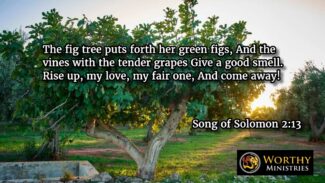
Among all fruit-bearing trees, the fig tree is uniquely prophetic–because it is one of the few that produces two harvests in a single growing season. First comes the early crop in spring, known in Scripture as the “first ripe fig” (Isaiah 28:4), and then a second, more abundant harvest in late summer or early fall. This uncommon pattern is a living picture of prophecy woven into the fabric of creation.

Read more – let the Word sink in deeper.

The Best Is Yet to Come!

As we conclude the Feast of Sukkot tonight, I want to reflect on one of the profound mysteries of God—how He aligns the prophetic clock with the Hebrew calendar. Sukkot, also known as the Feast of Ingathering, is a harvest celebration. Notably, it remains one of the few biblical feasts yet to be fulfilled prophetically, pointing us to future events in God’s divine plan.

Read on – your spirit will be uplifted.

Don’t Neglect Your Huppah!

One beautiful correlation when celebrating Sukkot (the Feast of Tabernacles) is recognizing its connection to marriage, specifically pointing to our future union with God. This festival not only commands us to rejoice, but it also carries deep symbolism that mirrors the joy and intimacy of a wedding celebration.

Click to continue – there’s more encouragement ahead.

Rejoice in His Provision!

Sukkot (the Feast of Tabernacles) started last week, and it’s customary to say to everyone this week — Chag Sameach, which literally means joyous festival! As we mentioned, the feast of Sukkot commemorates the time in which God led the Israelites through the wilderness for 40 years, providing them with every need on a daily basis — shelter, food, water and clothing. You may know that a during Sukkot, a portion of Ecclesiastes is read in the synagogues. Interestingly enough, it speaks of the vanity of materialism.

Continue – this devotional isn’t done blessing you.