<

He has done it!

The cry that shattered the stillness of Golgotha—“My God, My God, why have You forsaken Me?” (Psalm 22:1; Matthew 27:46)—was not a random cry of despair, but the deliberate voice of Yeshua pointing to Scripture. As He hung on the tree, bearing the sin of the world, He invoked the ancient words of David—not only identifying Himself as the righteous sufferer, but signaling that Psalm 22 was unfolding before their very eyes. In that moment, heaven and earth bore witness to a divine mystery: the Holy One, seemingly abandoned, was fulfilling a prophecy written a millennium earlier. Yeshua did not merely suffer—He fulfilled every word, every shadow, every stroke of divine prophecy.

Read more – let the Word sink in deeper.

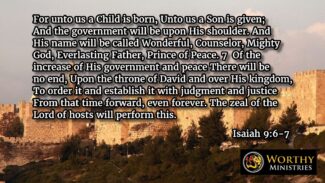
His Name Shall Be Called…

In the Hebraic understanding, a name isn’t just a label—it reveals essence, identity, and destiny. Isaiah doesn’t say these are merely descriptions of the Messiah; he says His Name shall be called — meaning this is who He is. When we declare these names, we are not offering poetic praise — we are calling upon real attributes of the living King. In just one verse, the prophet unveils the depth of Messiah’s personhood, showing us that this child is no ordinary child. He is the fulfillment of heaven’s promise and the revelation of God’s nature.

Continue reading – let faith rise.

A Child Is Born, A Son Is Given!

The prophet Isaiah begins with language so familiar that it’s often read too quickly. Yet within this brief phrase lies a depth of mystery and majesty that anchors the entire gospel. “For unto us a Child is born” speaks of an earthly event–Messiah’s humanity. He was born as all men are born, taking on flesh, entering a specific culture, time, and lineage. The Hebrew word for “born” (yalad) reinforces His full identification with us. This is the miracle of the incarnation: God wrapped in the vulnerability of a newborn child.

Keep reading – God’s message continues.

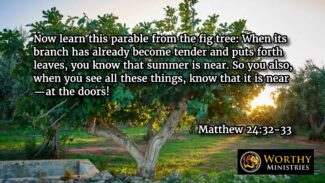
A Prophetic Mandate: Learn the Parable!

Yeshua (Jesus) didn’t merely offer a suggestion–He issued a command: “Learn the parable.” In Greek, the word manthano (μανθάνω) implies disciplined learning, not casual observation. In Hebraic thought, to “learn” a parable means to press into its hidden meaning until it transforms how you live. The fig tree is not just a poetic image–it’s a prophetic mandate. And Yeshua expected His disciples, including us, to understand it deeply.

Keep reading – God’s message continues.

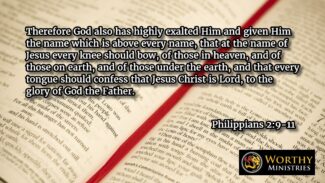
The King Is Coming: Will You Bow or Be Broken?

Psalm 2 is a divine announcement — a heavenly decree that demands the world’s attention. It begins with a question: “Why do the nations rage, and the peoples plot in vain?” (Ps. 2:1). The nations rise up, not against injustice or tyranny, but against the rule of God’s Meshiach (Messiah). That Anointed is Yeshua — the Son whom the Father has set on His holy hill in Zion (Ps. 2:6). The psalm strips away all pretense and exposes the heart of human rebellion: it is a refusal to be ruled by His Messiah.

Click here for the rest – and let God minister to you.